
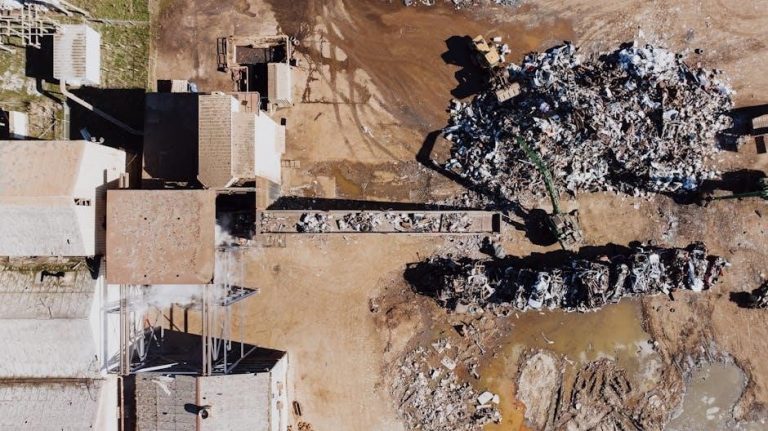
Scrap Metal Identification Guide: A Comprehensive Overview
Navigating the world of scrap metal requires knowledge; innovative tools like the Scrap Science app are emerging‚ offering affordable identification and training resources for professionals.
Successfully identifying scrap metal is a crucial skill for both hobbyists and professionals in the recycling industry. While driven initially by profit‚ the industry now significantly contributes to environmental sustainability by diverting materials from landfills and lessening the demand for virgin ore extraction.
This guide provides a foundational understanding of recognizing various metal types‚ focusing on both ferrous and non-ferrous categories. Accurate identification isn’t merely about maximizing profit; it’s about proper sorting‚ ensuring material quality‚ and adhering to recycling standards. Modern technology‚ such as the Scrap Science application‚ is increasingly accessible‚ offering affordable tools for identification and workforce development.
Understanding the nuances of metal composition allows for efficient processing and contributes to a circular economy.
Why Accurate Identification Matters
Precise scrap metal identification directly impacts profitability and operational efficiency within the recycling sector. Incorrectly categorized materials can lead to downgraded pricing from processors‚ significantly reducing revenue. Beyond financial implications‚ accurate sorting is vital for maintaining the quality of recycled materials‚ ensuring they meet industry specifications for reuse.
Furthermore‚ proper identification supports environmental responsibility. It allows for targeted processing‚ minimizing waste and maximizing resource recovery. Tools like the Scrap Science app empower workers with the knowledge to correctly classify metals‚ improving overall accuracy and reducing errors.
Investing in identification skills and technologies is‚ therefore‚ a strategic advantage.
Common Scrap Metal Categories
The scrap metal landscape is diverse‚ broadly categorized into ferrous and non-ferrous metals. Ferrous metals‚ containing iron‚ include various steel grades and cast iron – easily identified with a magnet. Non-ferrous metals‚ lacking significant iron content‚ encompass aluminum‚ copper‚ brass‚ bronze‚ stainless steel‚ and precious metals.
Each category further divides into specific alloys and grades‚ impacting value and processing requirements. Understanding these distinctions is crucial for effective sorting. Resources like comprehensive identification guides‚ and increasingly‚ apps such as Scrap Science‚ assist in navigating this complexity.

Proper categorization streamlines the recycling process and maximizes material recovery.
Ferrous Metals: Identifying Iron & Steel
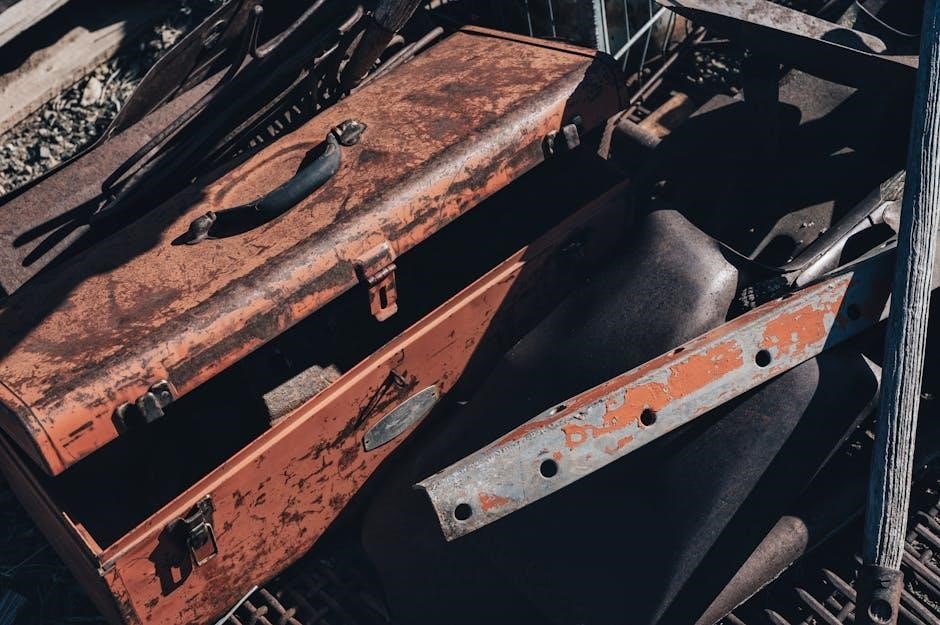
Ferrous metals are characterized by their iron content‚ making them magnetic – a primary identification tool. Steel‚ an alloy of iron and carbon‚ exists in numerous grades‚ influencing its strength and applications. Cast iron‚ with higher carbon content‚ is brittle and often found in older machinery.
Rust‚ or iron oxide‚ is a common indicator of ferrous metals‚ though it doesn’t confirm the specific alloy. Visual inspection can reveal differences in surface texture and color; Accurate identification is vital for proper sorting and maximizing scrap value.
Guides and apps‚ like Scrap Science‚ aid in distinguishing between steel types.
Non-Ferrous Metals: Beyond Iron
Non-ferrous metals‚ lacking significant iron content‚ offer a diverse range of properties and applications. This category includes aluminum‚ copper‚ brass‚ bronze‚ stainless steel‚ and many others‚ each with unique characteristics impacting their scrap value. Unlike ferrous metals‚ most are non-magnetic‚ providing an initial differentiation point.
Identifying these metals often requires more nuanced techniques than simple magnetism tests. Color‚ weight‚ and conductivity are key indicators‚ but alloy variations necessitate further investigation. Utilizing resources like detailed guides and specialized apps‚ such as Scrap Science‚ becomes crucial for accurate categorization.
Aluminum Scrap Identification
Aluminum is highly sought after for its lightweight nature and recyclability‚ making proper identification vital for scrap processors. It presents in various forms – sheets‚ cans‚ extrusions‚ and cast parts – each potentially belonging to a different alloy. While generally non-magnetic‚ distinguishing aluminum from similar-looking metals like stainless steel requires careful observation.
Aluminum alloys are often marked with stamped codes indicating their composition‚ though these can be worn or obscured. Understanding these markings‚ detailed in comprehensive guides‚ is key. Tools like the Scrap Science app can aid in quick identification‚ streamlining the sorting process and maximizing value.
Aluminum Alloys and Their Markings
Decoding aluminum alloy markings is crucial for accurate scrap metal sorting and pricing. These markings‚ typically stamped onto the material‚ follow a standardized system‚ often beginning with a number indicating the alloy’s primary alloying element. For example‚ ‘1xxx’ series denotes commercially pure aluminum‚ while ‘6xxx’ signifies alloys with magnesium and silicon.
However‚ markings can be faded‚ damaged‚ or absent‚ necessitating alternative identification methods. Comprehensive scrap metal guides‚ and increasingly‚ apps like Scrap Science‚ provide detailed charts correlating markings with specific alloy compositions and properties. Recognizing these codes allows processors to categorize aluminum scrap effectively‚ optimizing its value in the recycling stream.
Distinguishing Aluminum from Similar Metals
Aluminum’s lightweight nature and silver-grey appearance can lead to confusion with other metals like stainless steel or zinc. A key differentiator is its non-magnetic property; aluminum won’t stick to a magnet‚ unlike most steel alloys. Visual inspection helps‚ but can be misleading due to surface coatings or oxidation.
Weight is another indicator – aluminum is significantly lighter than steel. Scrap metal identification resources‚ including digital tools like Scrap Science‚ offer comparative data and visual aids. Spark testing‚ while requiring skill‚ can reveal distinct spark patterns for each metal. Accurate differentiation is vital for proper sorting and maximizing scrap value.
Copper Scrap Identification
Identifying copper scrap is crucial due to its high value and diverse applications. Pure copper exhibits a distinctive reddish-orange hue‚ becoming darker with oxidation. However‚ copper frequently appears in alloys like brass and bronze‚ requiring careful distinction. Scrap processors utilize various methods‚ from visual assessment to advanced technologies.
Understanding different grades – such as clean copper wire‚ tubing‚ and granulated scrap – impacts pricing. Resources like the Scrap Science app aid in accurate material identification and workforce training. Proper sorting ensures optimal returns‚ while misidentification can lead to significant financial losses. Accurate identification is paramount for profitability.
Different Grades of Copper Scrap
Copper scrap isn’t uniform; it’s categorized into grades impacting its value. “Clean” copper‚ like bare wire‚ commands the highest prices. Yellow brass and red brass represent alloy variations‚ each with specific compositions and market values. Granulated copper‚ resulting from shredding‚ is another common grade.
Contaminated copper‚ containing coatings or other metals‚ receives lower valuations. Identifying these nuances is vital for maximizing returns. Tools like the Scrap Science app assist in accurate grading‚ streamlining the sorting process. Understanding grade specifications ensures processors receive fair compensation‚ optimizing profitability and material recovery efforts.
Identifying Copper Alloys (Brass & Bronze)
Distinguishing brass and bronze from pure copper requires careful observation. Brass‚ a copper-zinc alloy‚ typically exhibits a brighter‚ yellower hue. Bronze‚ combining copper with tin‚ often presents a darker‚ reddish-brown color. Weight differences can also be indicative; brass tends to be lighter than bronze.
However‚ variations in alloy composition can blur these distinctions. Utilizing tools like the Scrap Science app can aid in precise identification. Accurate alloy sorting is crucial‚ as brass and bronze have distinct market values. Proper identification maximizes profitability and ensures efficient material recycling‚ contributing to sustainable practices within the scrap metal industry.
Stainless Steel Scrap Identification
Identifying stainless steel grades can be complex due to its diverse alloy compositions. Unlike carbon steel‚ most stainless steels are non-magnetic‚ though certain grades like 400 series exhibit magnetic properties. This magnetism test provides a preliminary assessment‚ but isn’t definitive.
Austenitic‚ ferritic‚ martensitic‚ and duplex stainless steels each possess unique characteristics. Precise identification often requires more advanced methods. Utilizing resources like the Scrap Science app can streamline the process‚ offering accurate alloy determination. Correctly classifying stainless steel scrap is vital for maximizing value and ensuring proper material processing within recycling streams.
Austenitic‚ Ferritic‚ Martensitic & Duplex Stainless Steels
Stainless steel isn’t a single metal‚ but a family of alloys with varying compositions. Austenitic steels‚ like 304 and 316‚ are non-magnetic and offer excellent corrosion resistance. Ferritic steels‚ containing less nickel‚ are magnetic and have good ductility. Martensitic grades are heat-treatable‚ becoming hard and strong‚ also typically magnetic.
Duplex stainless steels combine austenitic and ferritic structures‚ providing high strength and corrosion resistance. Accurate differentiation is crucial for scrap value. Utilizing a scrap metal identification guide‚ or apps like Scrap Science‚ aids in recognizing these distinct types‚ ensuring proper sorting and maximizing recycling efficiency.
Using Magnetism to Identify Stainless Steel Grades
Magnetism serves as a preliminary‚ yet valuable‚ tool for stainless steel identification. Austenitic stainless steels (304‚ 316) are generally non-magnetic in their annealed condition‚ though cold working can induce slight magnetism. Ferritic and martensitic grades‚ however‚ exhibit strong magnetic attraction.
It’s important to note that magnetism isn’t foolproof; some stainless steels can display varying magnetic responses. A scrap metal identification guide emphasizes combining magnetic testing with other methods‚ like visual inspection and potentially XRF analysis‚ for accurate grading. Resources like Scrap Science apps can assist in interpreting these results and ensuring correct categorization.
Brass and Bronze Scrap Identification
Distinguishing brass and bronze is crucial for maximizing scrap value. Brass‚ an alloy of copper and zinc‚ typically exhibits a brighter‚ more yellowish color and is generally heavier than bronze. Bronze‚ primarily copper and tin‚ often displays a reddish-brown hue and a slightly duller appearance.
A comprehensive scrap metal identification guide highlights the importance of considering weight alongside color. While visual cues are helpful‚ variations in alloy composition can occur. Utilizing resources like online databases or apps‚ such as Scrap Science‚ can provide detailed alloy breakdowns and aid in precise identification‚ ensuring accurate sorting and pricing.

Identifying Brass by Color and Weight
Brass identification often begins with visual assessment; its characteristic bright‚ yellowish color is a key indicator. However‚ color alone isn’t definitive‚ as varying zinc content alters the shade. Weight plays a significant role – brass is generally quite heavy due to its copper composition.
A reliable scrap metal identification guide emphasizes combining color observation with weight estimation. Experienced scrap processors develop a ‘feel’ for brass density. Modern tools‚ like the Scrap Science app‚ can supplement this‚ offering alloy-specific data and aiding in accurate categorization for optimal scrap value and efficient sorting processes.
Distinguishing Bronze from Brass
Differentiating bronze and brass requires careful observation; while both are copper alloys‚ their tin and zinc compositions create distinct characteristics. Bronze typically exhibits a darker‚ reddish-brown hue compared to brass’s brighter yellow. Weight is also a factor‚ with bronze generally being denser and heavier than most brass alloys.
A comprehensive scrap metal identification guide highlights the importance of considering both color and weight. Utilizing tools like the Scrap Science app can provide precise alloy analysis‚ eliminating guesswork. Accurate identification is crucial for maximizing scrap value‚ as bronze often commands a higher price due to its unique properties and limited availability.
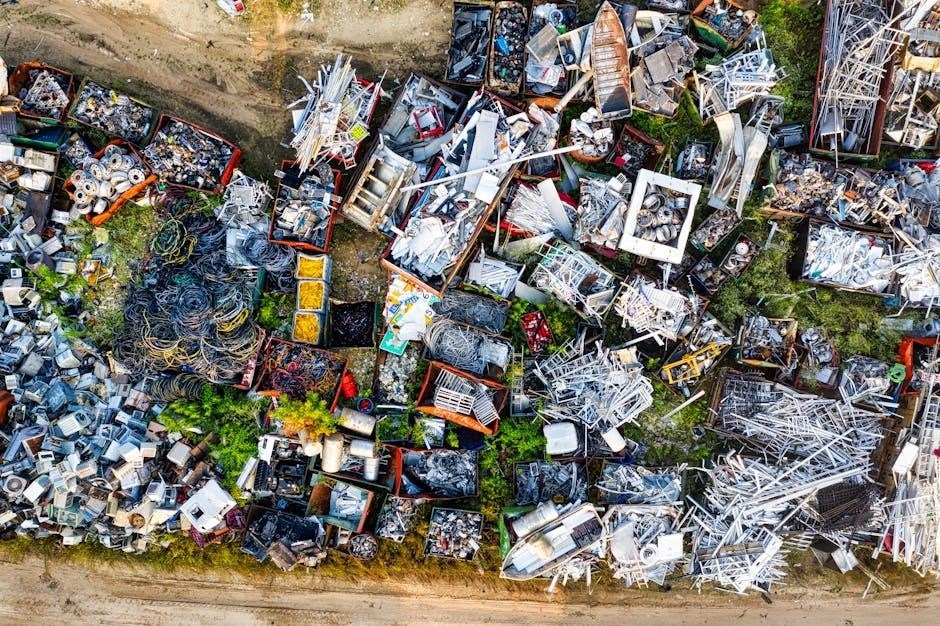
Using Tools for Scrap Metal Identification
Accurate scrap metal sorting demands effective tools; basic methods like magnet testing quickly differentiate ferrous from non-ferrous materials. Spark testing‚ though requiring experience‚ reveals unique spark patterns for various metals. However‚ for precise alloy identification‚ advanced technologies are invaluable.
X-Ray Fluorescence (XRF) offers rapid‚ non-destructive analysis‚ pinpointing elemental composition. Increasingly‚ digital resources like the Scrap Science app provide affordable identification and workforce training. A comprehensive scrap metal identification guide emphasizes leveraging these tools for optimal sorting‚ maximizing profitability‚ and ensuring responsible recycling practices.
Magnet Testing: A Basic Method
Magnet testing serves as a fundamental‚ initial step in scrap metal identification‚ offering a quick distinction between ferrous and non-ferrous materials. Ferrous metals‚ containing iron‚ exhibit a strong magnetic attraction‚ adhering firmly to a magnet. Conversely‚ non-ferrous metals – like aluminum‚ copper‚ and brass – show little to no magnetic response.
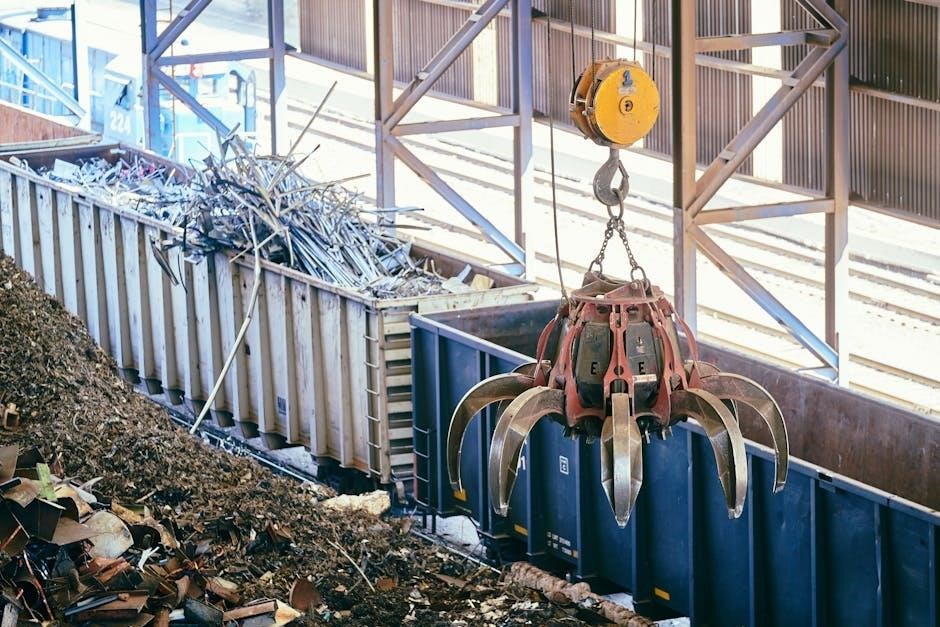
While simple‚ this method isn’t foolproof; some stainless steel grades are non-magnetic. Utilizing a strong neodymium magnet enhances accuracy. Digital tools‚ like those found within a scrap metal identification guide PDF or apps such as Scrap Science‚ complement magnet testing‚ providing more detailed alloy analysis for precise sorting.
Spark Testing: Identifying Metals by Spark Pattern
Spark testing‚ a more advanced technique‚ involves using a handheld grinder to create sparks against a metal surface. The color‚ shape‚ and burst pattern of these sparks reveal crucial information about the metal’s composition. Different metals produce distinctly different spark characteristics – for example‚ aluminum creates bright‚ white sparks‚ while steel generates orange or yellow sparks.
Interpreting spark patterns requires experience and a detailed spark testing chart‚ often found within a comprehensive scrap metal identification guide PDF. Modern resources‚ including apps like Scrap Science‚ can assist in this process‚ offering visual comparisons and aiding in accurate metal classification for optimal sorting and pricing.
X-Ray Fluorescence (XRF) Technology for Precise Analysis
X-Ray Fluorescence (XRF) represents the pinnacle of scrap metal identification accuracy. This non-destructive technology utilizes X-rays to analyze the elemental composition of a metal sample. An XRF analyzer emits X-rays‚ which excite the atoms in the metal‚ causing them to emit secondary X-rays unique to each element present.
Detailed scrap metal identification guide PDFs often explain XRF principles. Modern handheld XRF analyzers‚ sometimes integrated with apps like Scrap Science‚ provide rapid‚ precise alloy identification‚ crucial for maximizing scrap value. While a significant investment‚ XRF delivers unparalleled accuracy‚ surpassing magnet and spark testing‚ ensuring correct grading and pricing.
Scrap Metal Pricing and Grades
Understanding scrap metal grades is paramount for maximizing returns. Pricing fluctuates based on market conditions‚ purity‚ and alloy composition. Comprehensive scrap metal identification guide PDFs detail these grade systems‚ often categorized by ferrous and non-ferrous types‚ with sub-grades based on specific alloys and contaminants.
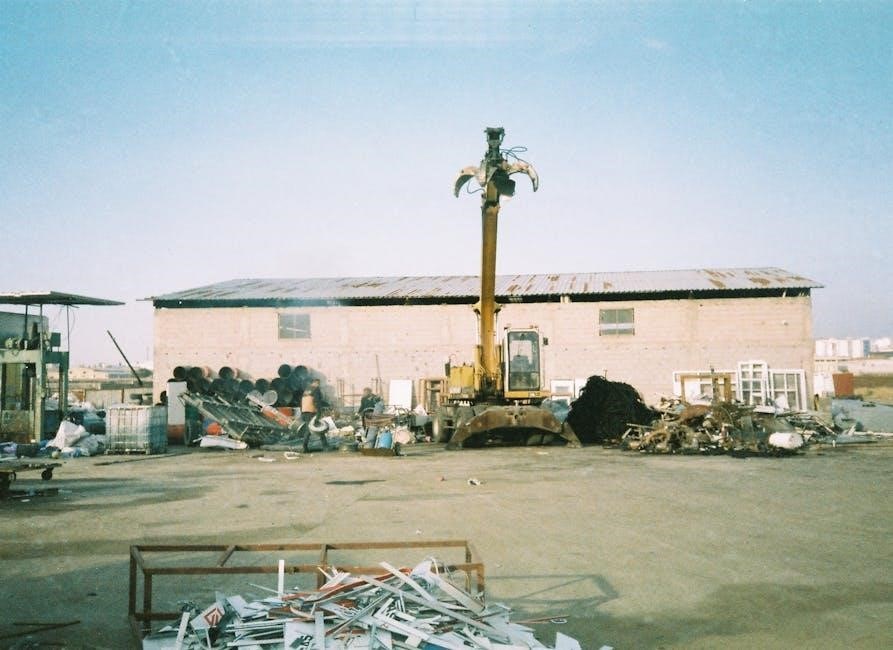
Factors influencing price include supply and demand‚ processing costs‚ and geographic location. Accurate identification‚ aided by tools discussed previously‚ ensures proper categorization. Knowing whether you have ‘clean’ or ‘dirty’ scrap‚ and the precise alloy‚ directly impacts value. Resources detail current pricing trends and grade specifications.
Understanding Scrap Metal Grade Systems
Scrap metal grade systems are standardized classifications used to determine value and processing requirements. Detailed scrap metal identification guide PDFs outline these systems‚ typically categorizing materials based on purity‚ alloy composition‚ and form (e.g.‚ clippings‚ shredded scrap‚ solids). Ferrous grades differentiate iron and steel types‚ while non-ferrous grades specify aluminum‚ copper‚ brass‚ and stainless steel variations.
These systems ensure consistent pricing and facilitate efficient recycling. Grades like #1 Heavy Melt‚ #2 Shredded Scrap‚ and various aluminum alloy designations are commonly used. Understanding these classifications‚ often detailed in comprehensive guides‚ is crucial for both sellers and processors to ensure fair transactions and optimal material recovery.
Factors Affecting Scrap Metal Prices
Numerous factors influence scrap metal pricing‚ creating a dynamic market. A detailed scrap metal identification guide PDF won’t show prices‚ but understanding the influences is key. Global demand‚ particularly from industrializing nations‚ significantly impacts values. Economic conditions‚ supply and demand fluctuations‚ and commodity market trends all play a role.
Material purity and grade‚ as defined by standardized systems‚ directly correlate to price. Transportation costs‚ processing fees‚ and regional market conditions also contribute. Furthermore‚ geopolitical events and currency exchange rates can introduce volatility. Staying informed about these factors‚ alongside accurate metal identification‚ is vital for maximizing returns.
Resources for Scrap Metal Identification
Numerous resources aid in accurate scrap metal identification‚ supplementing a comprehensive guide PDF. Online databases and guides provide detailed information on various metals and alloys‚ often including visual references. Dedicated scrap metal identification apps‚ like Scrap Science‚ offer portable tools for on-site analysis and workforce training.
These apps frequently incorporate image recognition and material databases for quick identification. Industry publications‚ forums‚ and educational materials from scrap metal recyclers also prove valuable. Consulting with experienced professionals or utilizing laboratory testing services can confirm identifications when precision is crucial. A PDF guide is a starting point‚ but continuous learning is essential.
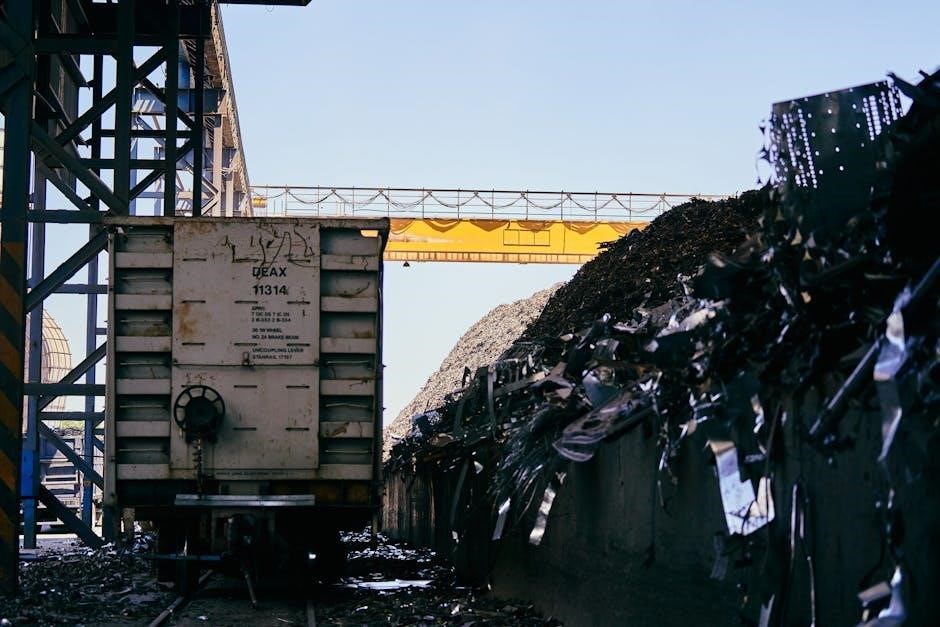
Online Scrap Metal Identification Guides & Databases
A wealth of online resources complements a scrap metal identification guide PDF. Websites dedicated to recycling and metalworking frequently host detailed guides‚ charts‚ and visual aids for identifying different metal types and alloys. These databases often categorize metals by properties like magnetism‚ density‚ and color‚ assisting in preliminary assessments.
Many sites offer searchable databases allowing users to input characteristics and receive potential matches. Reputable scrap metal recycling companies often provide online resources to help sellers accurately identify their materials. Remember to cross-reference information from multiple sources to ensure accuracy‚ as online data can vary in quality and completeness.
Scrap Metal Identification Apps (e.g.‚ Scrap Science)
Modern technology offers convenient solutions beyond a traditional scrap metal identification guide PDF. Applications like Scrap Science provide on-the-go metal identification‚ utilizing smartphone cameras and databases. These apps can quickly analyze metal composition‚ offering a cost-effective alternative to laboratory testing.
Beyond simple identification‚ many apps incorporate workforce training modules‚ enhancing employee knowledge and accuracy. Employers can leverage these tools to improve sorting efficiency and material valuation. While apps are incredibly useful‚ remember they are tools; verifying results with established methods remains crucial for precise categorization and maximizing scrap value.
Safety Precautions When Handling Scrap Metal
Handling scrap metal presents inherent risks‚ demanding strict adherence to safety protocols. A comprehensive scrap metal identification guide PDF should always include a safety section. Potential hazards include sharp edges‚ heavy lifting‚ and exposure to hazardous materials clinging to the metal’s surface.
Essential protective gear includes gloves‚ safety glasses‚ and sturdy footwear. Proper handling techniques‚ like using appropriate lifting equipment and avoiding unstable stacks‚ are vital. Always be aware of potential contaminants and practice diligent sorting to prevent accidental exposure. Prioritizing safety ensures a secure working environment and minimizes potential injuries.
Potential Hazards and Protective Gear
Scrap metal handling introduces several potential hazards demanding robust safety measures. A detailed scrap metal identification guide PDF must emphasize these risks. Sharp edges from cut metal‚ heavy weights causing strain‚ and potential exposure to oils‚ chemicals‚ or even asbestos are common concerns.
Essential protective gear includes heavy-duty gloves to prevent cuts‚ safety glasses or face shields to protect eyes‚ and steel-toed boots for foot protection. Depending on the material‚ respirators may be necessary. Proper clothing‚ covering skin‚ is also crucial. Prioritizing this gear minimizes injury risk during sorting‚ loading‚ and processing operations.
Proper Handling and Sorting Techniques
A comprehensive scrap metal identification guide PDF should detail safe handling and sorting procedures. Lifting techniques are paramount; bend at the knees‚ keep your back straight‚ and avoid twisting. Utilize mechanical aids like forklifts or cranes for heavier items‚ ensuring proper training is completed.
Sorting by metal type – ferrous‚ non-ferrous‚ stainless steel‚ etc. – is crucial for maximizing value and facilitating recycling. Separate materials carefully to avoid contamination. Be mindful of potentially hazardous materials and follow established protocols for their removal. Organized sorting streamlines processing and enhances overall safety.