

Get the most out of your ABB ACS880․ This manual provides tips and tricks to maximize performance; Thank you for choosing our brand; we are committed to supporting you․ Explore the comprehensive guide to understand and utilize all features․ Follow step-by-step instructions for setup and maintenance
Purpose and Scope of the Manual
This manual serves as the definitive reference for the ABB ACS880, detailing its installation, configuration, operation, and maintenance․ Its purpose is to empower users with clear, step‑by‑step guidance, ensuring optimal performance and safety․ The scope covers all functional aspects, from initial setup to advanced troubleshooting, and includes detailed parameter tables, wiring diagrams, and safety precautions․ By following this manual, operators can quickly learn the system’s capabilities, reduce downtime, and maintain compliance with industry standards․ The document is organized into logical sections, each addressing a specific phase of the device’s lifecycle․ It also provides best‑practice recommendations, performance‑enhancing tips, and a troubleshooting matrix for common issues․ The manual’s content is intended for system integrators, field technicians, and maintenance personnel who require a comprehensive understanding of the ACS880’s features and operational requirements․ Users will find concise explanations, illustrative graphics, and actionable steps that facilitate efficient deployment and reliable operation․ The manual’s content is regularly updated to reflect firmware upgrades, regulatory changes, and user feedback, ensuring that it remains a trusted resource for all stakeholders involved with the ABB ACS880 platform․
Additionally, the manual includes a glossary of terms, a FAQ section, and a detailed appendix that covers advanced configuration scenarios․ It also outlines recommended hardware and software prerequisites, ensuring that users install the ACS880 in a compliant environment․ The manual is available in multiple languages, including Spanish, to accommodate a global user base․ By adhering to the guidelines herein, users can achieve a high level of operational excellence and extend the lifespan of their ABB ACS880 system․ All updates are included․ !!
The manual also provides a comprehensive troubleshooting guide, a detailed maintenance schedule, and a list of recommended spare parts․ It emphasizes the importance of regular calibration and firmware updates to maintain optimal performance․ Users are encouraged to refer to online support portal for documentation updates․!!!
Safety Information
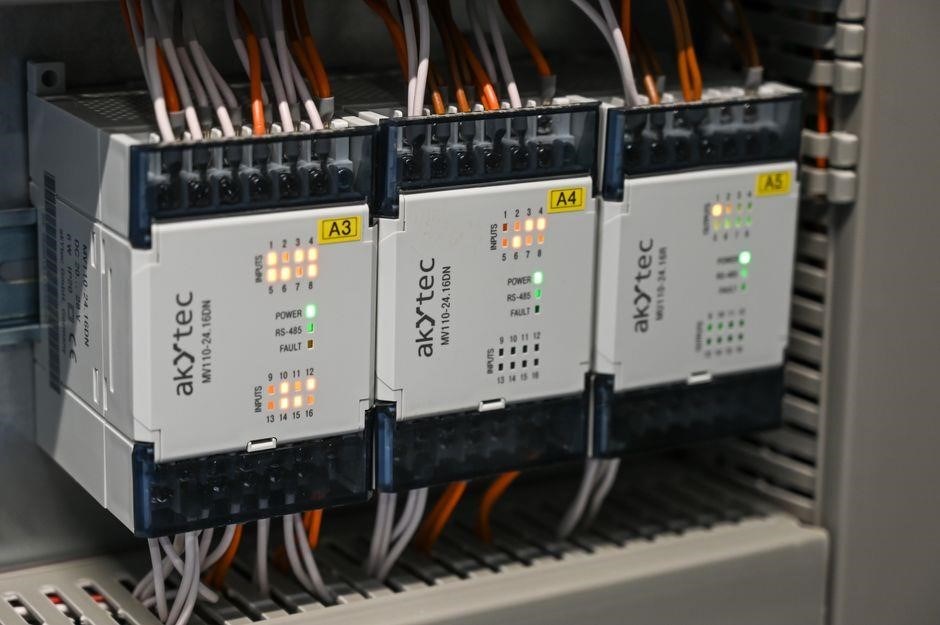
Electrical safety: ensure isolation, use proper grounding, wear PPE, avoid contact with live parts, follow lockout/tagout procedures, inspect cables, maintain clear access, keep equipment dry, and adhere to local regulations․ Follow all lockout tags and verify isolation before maintenance․ All safety
Electrical Safety Precautions
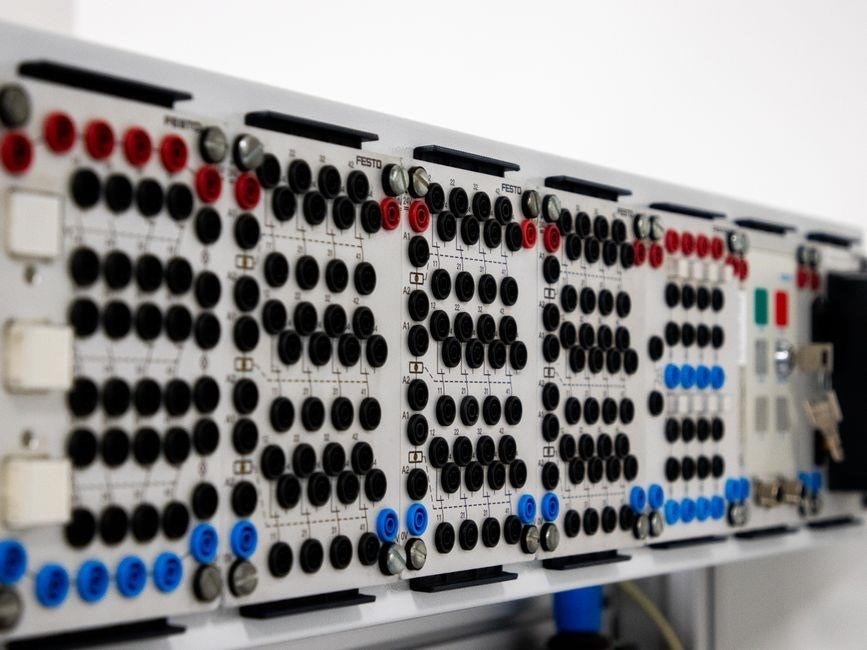
Before any work on the ABB ACS880, ensure the power source is disconnected and the unit is properly isolated․ Use a calibrated voltage tester to confirm absence of voltage at all terminals․ Follow lock‑out/tag‑out (LOTO) procedures: apply a lock to the main circuit breaker and tag it with a clear, permanent label indicating the work being performed․
Wear appropriate personal protective equipment (PPE) such as insulated gloves, safety glasses, and flame‑resistant clothing․ Inspect all PPE for damage before use․ Keep the work area dry and free from conductive debris․ Use insulated tools rated for the voltage level of the system․
Verify that all grounding connections are secure and that the earth electrode system meets local code requirements․ Check that the grounding conductor is free of corrosion and that all bonding jumpers are intact․ Ensure that the ACS880’s internal grounding point is connected to the facility’s grounding bus․
When handling cables, inspect for frayed insulation or broken conductors․ Do not use damaged cables; replace them immediately․ now! now! Maintain a minimum clearance of 6 inches from live conductors․ Use cable trays to protect cables from mechanical damage․
Maintain clear access to the ACS880’s service panels and emergency stop switches․ Mark all hazardous areas with warning signs and restrict access to authorized personnel․ Keep the area lit and free of clutter to prevent accidental contact with live parts․

Installation Procedure
Begin by verifying power supply compliance, then mount the ACS880 on a stable surface․ Connect input leads, ensuring correct polarity․ Secure the enclosure, attach the display, and perform a quick voltage check before energizing the unit․ Follow safety guidelines throughout․ Ensure all connections․
Required Tools and Preparations
Please before installing the ABB ACS880, gather essential tools and prepare the site to ensure safety and optimal performance․
- Voltage tester or multimeter (verify supply voltage and polarity)․
- Insulated screwdriver set (mounting hardware and terminal connections)․
- Wire stripper and crimping tool (prepare and secure cable connections)․
- Level and measuring tape (accurate mounting height and spacing)․
Site preparation steps:
- Confirm power supply matches ACS880 specs (48 V DC, 15 A)․
- Ensure mounting surface is clean, dry, and free of debris․
- Mark mounting points and drill pilot holes if needed․
- Check enclosure ventilation to avoid overheating․
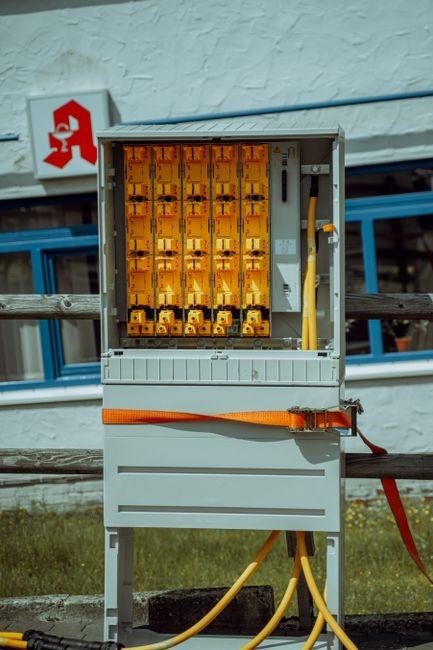
Keep the user manual and safety certificates handy for reference during installation․

Label each terminal connection clearly to simplify commissioning and troubleshooting․
Install a grounding rod or connection kit to establish a reliable earth connection․
After installation, perform a quick functional test to ensure the ACS880 operates within specified parameters․ Record the test results for future reference․
Maintain a clean work area to prevent contamination of sensitive components․ Use anti‑static wrist straps when handling the controller board․
Keep a fire extinguisher rated for electrical fires within reach during installation․

Configuration Settings
Configure your ABB ACS880 with precision․ Begin by selecting the appropriate communication protocol, then adjust cycle times and safety parameters․ Use intuitive web interface to fine‑tune motor profiles, set limits, monitor real‑time diagnostics․ Follow the step‑by‑step guide for best performance
Initial Setup and Parameter Adjustment
Before powering the ABB ACS880, verify that the power supply matches the specified voltage and current ratings․ Connect the drive to the motor using the recommended cable gauge and ensure all terminals are tight․ Attach the safety interlocks and verify the emergency stop function․ Open the web interface by entering the default IP address into a browser․ Log in with the default credentials; change the password immediately to secure the system․ Navigate to the “Configuration” tab and select the correct motor type from the drop‑down list․ Input the motor’s rated voltage, current, and pole count․ Configure the acceleration and deceleration ramps to match the application’s dynamics, setting maximum speed and torque limits accordingly․ Enable the safety features such as overspeed, overcurrent, and temperature protection, and calibrate the sensors if required․ Test the drive in a low‑speed mode to confirm correct operation, then gradually increase to full speed while monitoring the motor temperature and vibration levels․ Document all settings in the maintenance log for future reference․ Regularly update the firmware via the “Software Update” section to benefit from performance improvements and bug fixes․ Ensure that the drive’s communication ports are correctly configured for any PLC or SCADA integration, and verify that the data points are mapped accurately․ Finally, perform a full run‑through of the start‑up sequence to confirm that all parameters are retained after a power cycle․ All settings are now ready for operation and test․

Operating Instructions
Follow these steps to operate the ABB ACS880 efficiently․ Power on, configure settings, monitor status, adjust parameters as needed․ Use the touchscreen interface for real‑time diagnostics and ensure safety protocols are observed throughout operation․ Keep current daily․
Step-by-Step Operation Guide
Follow this detailed sequence to run the ABB ACS880 reliably․ 1․ Verify that the main power supply is correctly connected and that the voltage and frequency match the device specifications․ 2․ Press the power button to turn on the unit․ The status LEDs should indicate a successful boot sequence․ 3․ Use the touchscreen to access the main menu․ 4․ Navigate to “System Setup” and confirm the current configuration․ 5․ If this is the first use, set a secure password; otherwise, log in with the existing credentials․ 6․ Configure network parameters: choose DHCP for automatic IP allocation or enter a static IP, subnet mask, gateway, and DNS servers․ 7․ Run a communication test to ensure the ACS880 can reach all connected field devices․ 8․ Select desired process profile from “Process” menu․ 9․ Open the parameter editor and adjust setpoints, tolerance ranges, and alarm limits according to the process requirements․ 10․ Save the updated settings and, if prompted, reboot the system to apply changes․ 11․ Start the process by selecting the “Run” option․ 12․ Monitor real‑time data on the display; use the “Trend” view for historical analysis․ 13․ If an alarm is triggered, consult the “Alarm Log” to identify the cause, acknowledge the alarm, and take corrective action․ 14․ When the operation is complete, press “Stop” to halt the process․ 15․ Finally, select “Shutdown” to safely power down the unit․ Repeat this procedure for each new operation cycle to maintain optimal performance and compliance with operational standards․ Check the emergency stop button before starting․ Confirm safety interlocks are active․

Maintenance Guidelines
Routine checks and cleaning keep the ABB ACS880 running smoothly․ Inspect wiring, remove dust, verify firmware, and replace worn components․ Follow the manufacturer’s schedule to prevent downtime and ensure optimal performance․ Keep logs updated audit for trai․ Thanks
Routine Checks and Cleaning
Regular maintenance is essential for the ABB ACS880 to maintain reliability and extend service life․ Begin each cycle by powering down the unit and disconnecting all external power sources․ Inspect the enclosure for physical damage, ensuring that the front panel, door seals, and mounting brackets remain intact․ Use a soft, lint‑free cloth dampened with isopropyl alcohol to wipe the surface, avoiding abrasive materials that could scratch the display or sensor housings․ Verify that ventilation openings are free of dust and debris; a clogged airflow can lead to overheating․ If dust accumulates on the internal fan or heat sink, employ a low‑pressure air nozzle to dislodge particles, taking care not to contact sensitive components․ Check all wiring harnesses for signs of wear, corrosion, or looseness; tighten connections and replace any frayed cables․ Examine the status LEDs and diagnostic ports for proper operation; a malfunctioning indicator may signal underlying issues․ Perform a quick functional test by cycling the unit through its startup sequence and monitoring the self‑diagnostic logs for error codes․ Document each inspection in a maintenance log, noting dates, observed conditions, and any corrective actions taken․ Adhering to this routine schedule—ideally every 12 months or after 500 operating hours—helps prevent unexpected downtime and ensures the ACS880 continues to deliver optimal performance in demanding industrial environments․ By following steps, operators maintain the ACS880, ensuring uptime daily․
Troubleshooting Guide
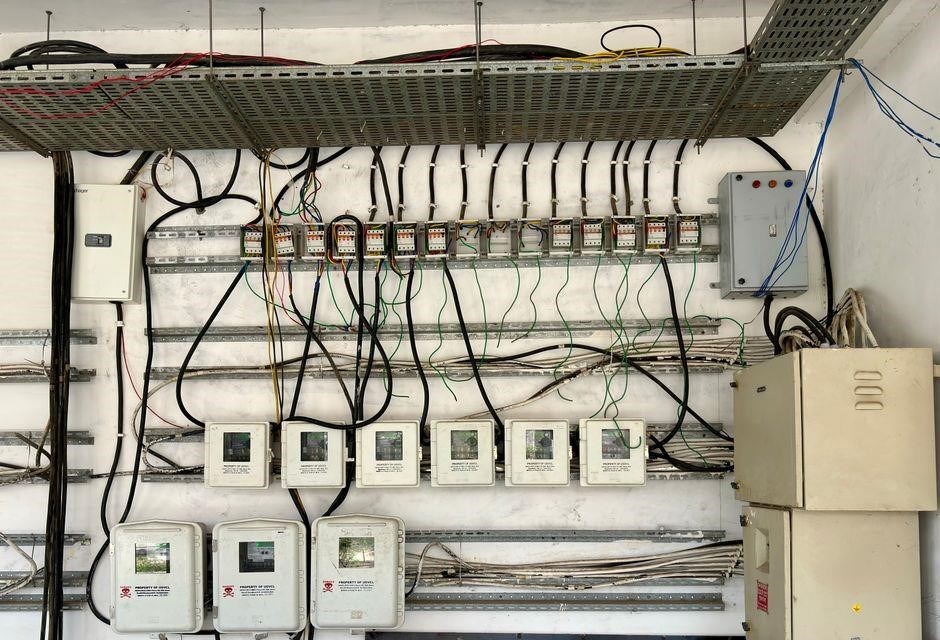
Check power, verify settings, reset, consult error codes․ If the ACS880 shows fault, ensure correct voltage, inspect wiring, update firmware, clear memory, and test again․ Contact support if issues persist․ Check logs and network․ Verify firmware version․ Reboot․ OK!
Common Issues and Solutions
Below are concise diagnostics and remedies for recurring problems with the ABB ACS880․
- Communication Timeout: Verify cable, IP, and gateway․ Reset module and reload firmware if timeout persists․
- Parameter Mismatch: Confirm all settings are within spec․ Re‑apply defaults before custom values;
- Over‑current Protection Tripped: Check load for overload․ Inspect sensor, replace if damaged, recalibrate range․
- Firmware Incompatibility: Ensure firmware matches hardware revision․ Update to latest stable release․
- Unexpected Power Loss: Inspect supply for drops․ Use regulated UPS, check connector tightness․
- Display Errors: Refer to error code table․ “E01” sensor fault; “E02” comm error․
- Temperature Spikes: Monitor ambient․ Relocate if exceeding range, add cooling, check ventilation․
- Software Crash: Verify PC meets requirements․ Update driver, client, and restart after each update․
- Calibration Drift: Perform monthly calibration cycle with kit․ Follow step‑by‑step procedure․
- Unresponsive Inputs: Enable channels, reset to default, re‑enable, check wiring continuity․
The ACS880’s robust design allows for flexible integration into diverse industrial environments․ Regular monitoring of error logs, firmware updates, and calibration checks ensures optimal performance and longevity․ Users should keep the device’s firmware up to date, verify cable integrity, and maintain proper ventilation․ For complex issues, reach out to ABB technical support for advanced diagnostics and service solutions․ Update firmware to latest version!!